

Product
-
Weather station
-
Road Weather Station
-
Photovoltaic Inspection
-
Atmospheric monitoring
-
Operating condition monitoring
Recommended article
- photovoltaic testers 400V/20A Range Meets the On-Site Testing Needs of Photovoltaic Modules
- Application of Low-Power Meteorological observation equipment in Unattended Field Monitoring
- How Portable Solar Cell Testers Rapidly Perform PV String I-V Curve Testing
- The price of meteorological monitoring systems varies from 3,900 to 39,800 yuan depending on the number of monitored elements
- Power Quality Measurement Makes Power Grid Harmonic Detection and Data Logging More Efficient
- High-Precision Meteorological observation equipment Aids Field Environmental Monitoring
Contact us
Shandong Fengtu IOT Technology Co., Ltd
Sales Manager:Ms. Emily Wang
Cel,Whatsapp,Wechat:+86 15898932201
Email:info@fengtutec.com
Add:No. 155 Optoelectronic Industry Accelerator, Gaoxin District, Weifang, Shandong, China
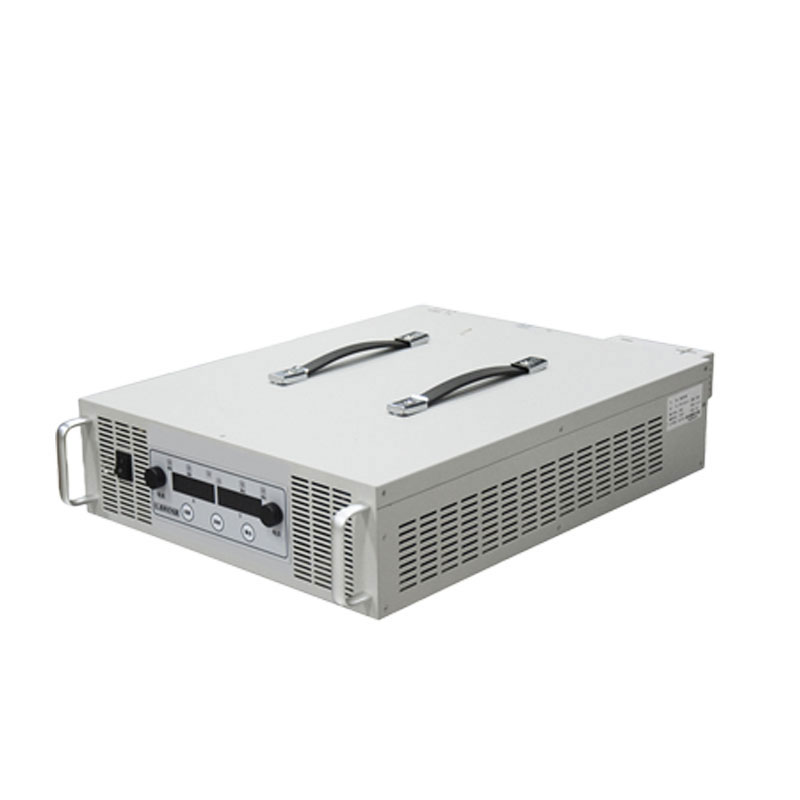
EL Test Power Supply is used for batch EL defect detection and production testing of photovoltaic modules
Article source:Weather station time:2025-12-24 10:10:10 viewed:494times
EL Test Power Supply is a core piece of equipment for the production and quality inspection of solar photovoltaic modules. It can simultaneously power multiple modules for electroluminescence (EL) defect testing. Designed for the characteristics of power plant strings, it provides a stable DC power supply safely and quickly, significantly improving the efficiency of production lines and on-site testing.
EL Test Power Supply is a specialized piece of equipment used in the manufacturing and quality inspection of solar photovoltaic modules. Its main function is to provide a stable and safe DC power supply to multiple series-connected solar panels to drive them for electroluminescence testing. This testing technology utilizes the principle of electroluminescence to detect defects such as microcracks, fragments, and poor welding within the modules, which is a crucial step in ensuring the quality of modules leaving the factory and the long-term reliable operation of power plants.
In photovoltaic module production lines or power plant sites, traditional EL testing methods often require powering and testing individual modules one by one, which is inefficient. The design of EL Test Power Supply directly addresses this pain point. It can convert AC grid power into suitable DC power based on the electrical characteristics of the photovoltaic power plant string, and simultaneously power multiple pre-connected modules. This "string-based" testing method simulates the actual electrical environment of the modules in a power plant, making batch and rapid EL testing possible at the end of the production line or at the power plant installation site. Its output voltage and current range are specially designed to match the electrical parameters required for different specifications and numbers of series-connected modules.
The core technological advantages of this equipment lie in its efficiency and safety. The efficiency improvement is reflected in its ability to power and excite an entire string of modules at once, compressing the previously time-consuming single-module testing process into a batch operation, significantly shortening the testing time, and making it suitable for quality inspection stations in large-scale production lines. In terms of safety, the equipment has comprehensive electrical protection functions, such as anti-reverse current, overvoltage, and overcurrent protection, ensuring safe operation when testing multiple high-voltage module strings simultaneously. Its output power is stable and reliable, guaranteeing the consistency of electroluminescence images and avoiding image blurring or misjudgment caused by power fluctuations.
In terms of specific applications, EL Test Power Supply mainly serves two scenarios. In the final testing stage of a module factory, quality inspectors can connect multiple modules on a tray in series to this power supply, completing EL imaging of all modules at once and quickly screening out defective products. At photovoltaic power plant construction or operation and maintenance sites, technicians can use this device to perform EL testing on entire strings of modules without disassembling the installed strings. This allows them to diagnose potential damage during transportation or installation and assess the health status of the module strings. This changes the previous situation where on-site EL testing was difficult and inefficient.
The device typically integrates the necessary control and display units, allowing operators to easily set test parameters (such as voltage and exposure time) and monitor the test status. Its design emphasizes portability and adaptability to industrial environments, meeting the needs of both workshop and outdoor use. Its development and application directly address the photovoltaic industry's pursuit of higher testing efficiency and stricter quality control, successfully deploying precision testing technology, previously confined to laboratories, to fast-paced production lines and complex outdoor environments.
Overall, EL Test Power Supply solves the practical challenges of batch EL testing of photovoltaic modules through innovative power supply and testing modes. It is not only a key tool for improving production line efficiency but also an effective means for power plant quality acceptance and operation and maintenance diagnostics. As photovoltaic module power increases and manufacturing scale expands, the importance of this specialized equipment, which can simultaneously guarantee testing quality and efficiency, will become increasingly prominent in the industry's quality control system.
This paper addresses:https://fengtuweather.com/industry/860.html
Related products
Related article
-
Forestry Weather Station: A Powerful Tool for Forest and Grassland Fire Prevention and Control
2025-07-08 -
Visibility sensor: Unlocking Precision in Atmospheric Visibility Measurement and Beyond
2024-11-25 -
Photovoltaic Weather Stations: Optimizing Solar Farm Performance through Environmental Monitoring
2025-09-30 -
Beidou-based Environmental Monitoring Station: Integrated Monitoring for Hydrological and Meteorological Management
2025-08-15 -
What is a facility agro-weather station?
2024-02-04 -
Price Variations in Six-Element Weather Stations: Driven by Sensor Principles and Configuration Requirements
2026-05-09 -
The Vehicle-Mount Weather Station: Enabling Mobile Meteorological Monitoring for Emergency Response and Beyond
2025-09-26 -
Portable Vehicle-Mount Weather Station: Precision Meteorological Monitoring for On-Road Safety
2025-07-24