

Product
-
Weather station
-
Road Weather Station
-
Photovoltaic Inspection
-
Atmospheric monitoring
-
Operating condition monitoring
Recommended article
- Road meteorological monitoring systems collect road condition and meteorological data to ensure road safety
- The PV module IV tester performs volt-ampere characteristic testing on outdoor PV modules
- The price of small weather stations varies depending on their model and configuration
- photovoltaic testers 400V/20A Range Meets the On-Site Testing Needs of Photovoltaic Modules
- Application of Low-Power Meteorological observation equipment in Unattended Field Monitoring
- How Portable Solar Cell Testers Rapidly Perform PV String I-V Curve Testing
Contact us
Shandong Fengtu IOT Technology Co., Ltd
Sales Manager:Ms. Emily Wang
Cel,Whatsapp,Wechat:+86 15898932201
Email:info@fengtutec.com
Add:No. 155 Optoelectronic Industry Accelerator, Gaoxin District, Weifang, Shandong, China
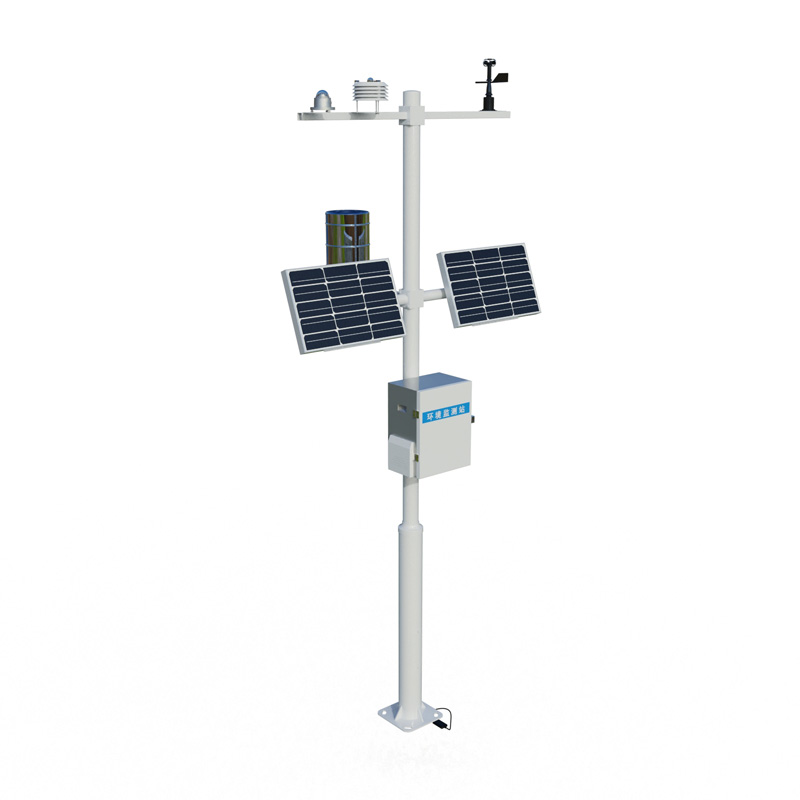
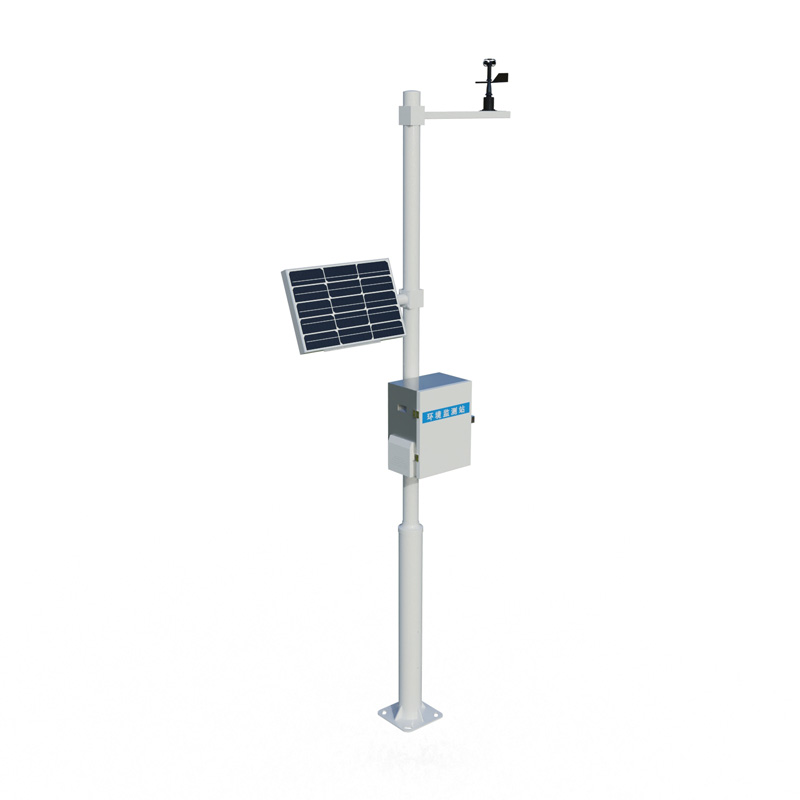
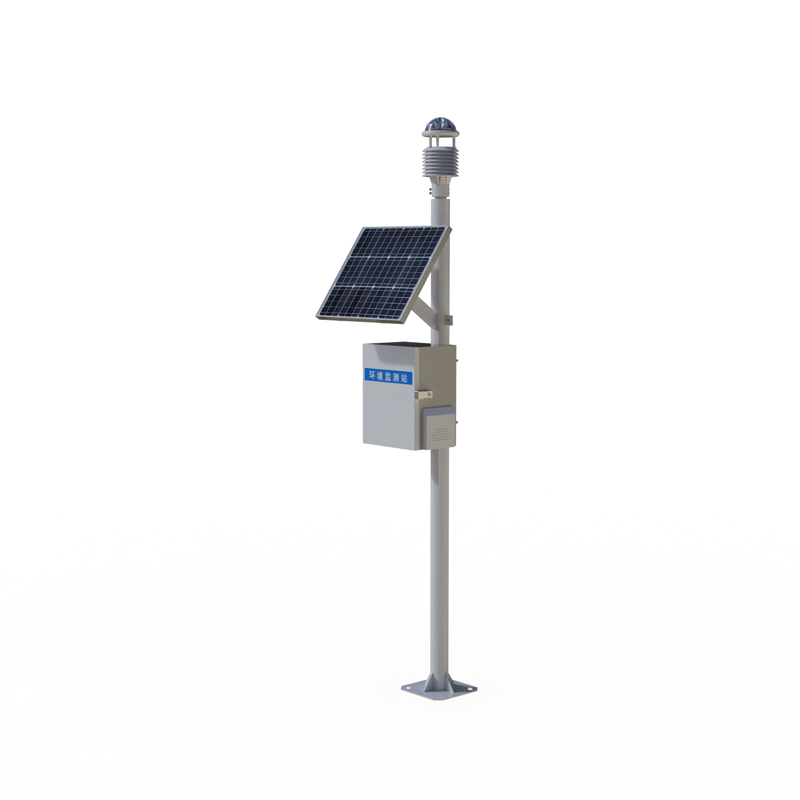
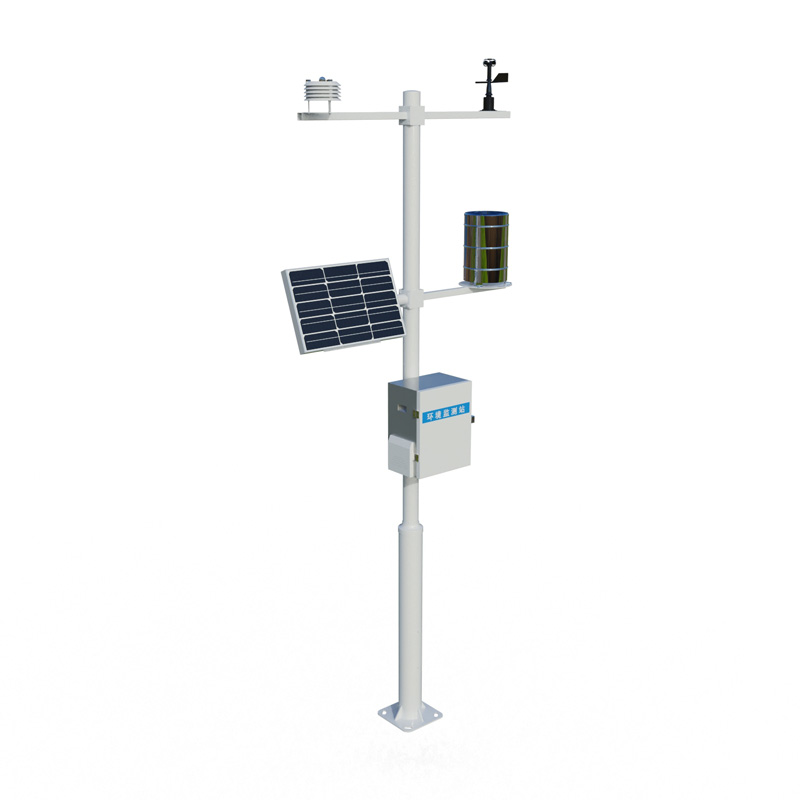
Weather Monitoring Equipment system comprises five parts: a sensor, a data logger, a solar power supply, a pole support, and a cloud platform
Article source:Weather station time:2026-05-12 10:19:46 viewed:242times
Weather Monitoring Equipment is a highly integrated, low-power, and quickly installable high-precision meteorological observation device suitable for field monitoring. It consists of five parts: a meteorological sensor, a data logger, a solar power supply system, a pole support, and a cloud platform. It requires no debugging and can be quickly deployed for use in meteorological services, environmental monitoring, agriculture, transportation, and other fields.
Weather Monitoring Equipment is a highly integrated, low-power, and quickly installable high-precision meteorological observation device primarily used to monitor and record various meteorological parameters in the atmospheric environment. The system consists of five parts: a meteorological sensor, a data logger, a solar power supply system, a pole support, and a cloud platform. The device adopts a modular design; the finished unit requires no debugging upon delivery and is ready to operate immediately after setup. It is widely used in meteorological services, environmental monitoring, agriculture, transportation, forestry, environmental protection, marine, airports, ports, scientific research, and educational institutions. Common monitoring elements include air temperature, air humidity, wind speed, wind direction, rainfall, light intensity, and atmospheric pressure. Optional extended sensors for soil moisture and soil temperature are also available.
From a system composition perspective, the meteorological sensor is responsible for collecting various environmental data. The data logger performs analog-to-digital conversion and data processing. A solar power system provides long-term, stable power, while lead-acid batteries store energy, and an MPPT (Automatic Power Point Tracking) charging controller effectively improves energy conversion efficiency. The support pole, typically made of carbon steel, is three meters high and features a two-section threaded connection, supporting the system for long-term operation in the field and withstanding strong winds. The data logger is equipped with a GPRS or 4G wireless communication module, uploading data to a cloud platform in real time. Users can view real-time data, historical curves, and trend analysis via a mobile app or computer. The cloud platform also features data storage, over-limit threshold setting, and SMS alarm functions; when monitored values exceed preset thresholds, it automatically sends a reminder SMS to a designated mobile phone number.
In terms of application scenarios, Weather Monitoring Equipment is widely used in agriculture, enabling precise monitoring of farmland microclimates. This provides data support for irrigation, fertilization, and pest and disease control, while also helping agricultural departments prevent disasters such as frost, strong winds, and heavy rains, minimizing crop losses. In the transportation sector, the system can provide local weather warnings for highways and airport runways, automatically notifying management departments to take diversion or closure measures when strong winds or low visibility occur. In scientific research and ecological monitoring, the equipment can operate continuously for extended periods in remote, solar-powered locations far from the power grid, enabling unattended data collection and accumulating raw data for climate research and ecological assessment.
In modern operations, the Weather Monitoring Equipment system plays a crucial role in daily weather forecasting, severe weather monitoring, and long-term climate monitoring. Its real-time observation data on multiple elements such as temperature, precipitation, wind direction, and wind speed effectively fills gaps in existing meteorological observation networks, providing fundamental raw data support for national and regional meteorological services, disaster prevention and mitigation, and environmental management. In power facility management, Weather Monitoring Equipment systems installed along transmission lines can collect and transmit parameters such as temperature, humidity, wind speed, wind direction, and air pressure in real time, helping inspection personnel assess the impact of severe weather on power grid safety. Overall, with its low power consumption, no debugging required, and rapid deployment capabilities, Weather Monitoring Equipment is becoming a common basic device in meteorological support systems across various industries.
This paper addresses:https://fengtuweather.com/technical/939.html
Related products
Related article
-
How Portable Solar Cell Testers Rapidly Perform PV String I-V Curve Testing
2026-07-27 -
What are the five elements of weather testing equipment?
2024-07-18 -
Ground Penetrating Radar: Non-Destructive Precision Detection for Voids Beneath Building Floors
2025-07-17 -
Advantages of Atmospheric Negative Oxygen Ion Monitoring System
2024-02-05 -
What are forest fire risk factor collection stations for?
2024-07-17 -
How Dust Monitoring Equipment Safeguards Construction Site Air Quality
2025-08-14 -
Dust Detector and Mobile Monitoring in Air Quality Protection
2025-01-06 -
Dust pollution detector to monitor PM2.5
2024-01-24