

Product
-
Weather station
-
Road Weather Station
-
Photovoltaic Inspection
-
Atmospheric monitoring
-
Operating condition monitoring
Recommended article
- photovoltaic testers 400V/20A Range Meets the On-Site Testing Needs of Photovoltaic Modules
- Application of Low-Power Meteorological observation equipment in Unattended Field Monitoring
- How Portable Solar Cell Testers Rapidly Perform PV String I-V Curve Testing
- The price of meteorological monitoring systems varies from 3,900 to 39,800 yuan depending on the number of monitored elements
- Power Quality Measurement Makes Power Grid Harmonic Detection and Data Logging More Efficient
- High-Precision Meteorological observation equipment Aids Field Environmental Monitoring
Contact us
Shandong Fengtu IOT Technology Co., Ltd
Sales Manager:Ms. Emily Wang
Cel,Whatsapp,Wechat:+86 15898932201
Email:info@fengtutec.com
Add:No. 155 Optoelectronic Industry Accelerator, Gaoxin District, Weifang, Shandong, China
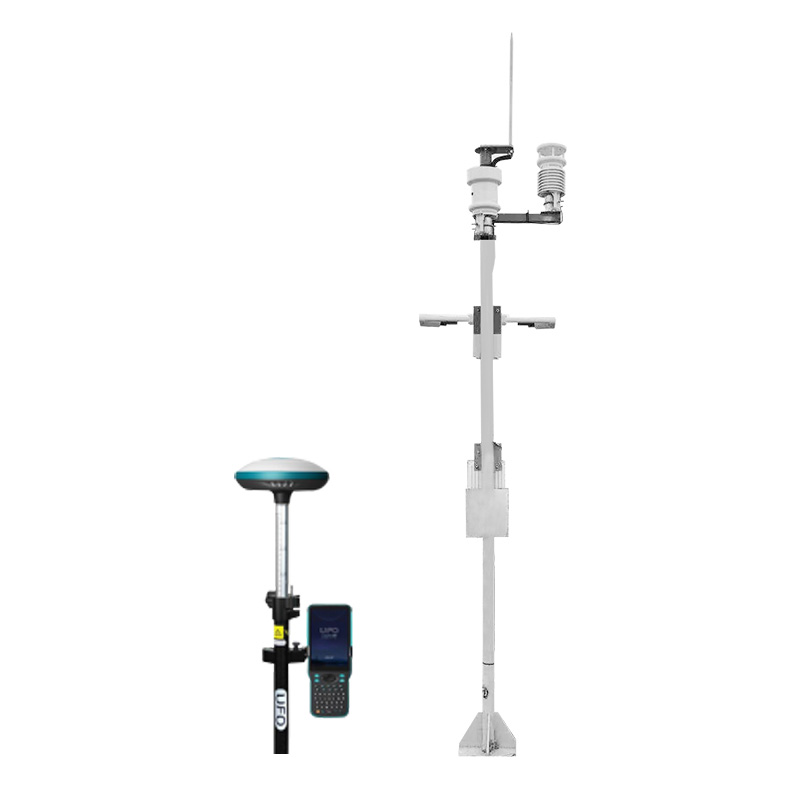
Ship weather station
Model:FT-HQ1
Brand:fengtu
 Get a Free Quote
Related products
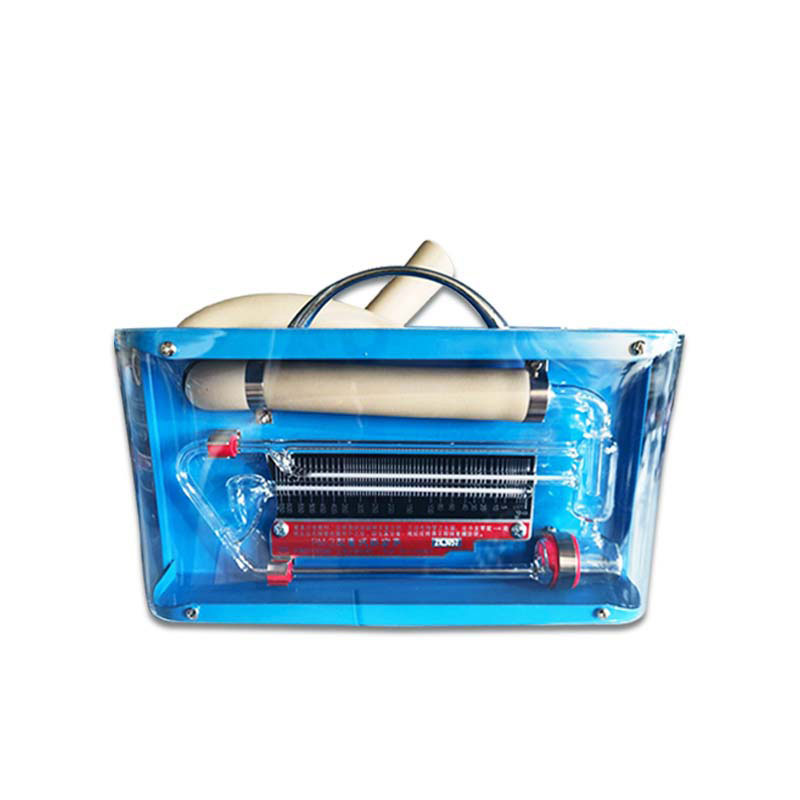
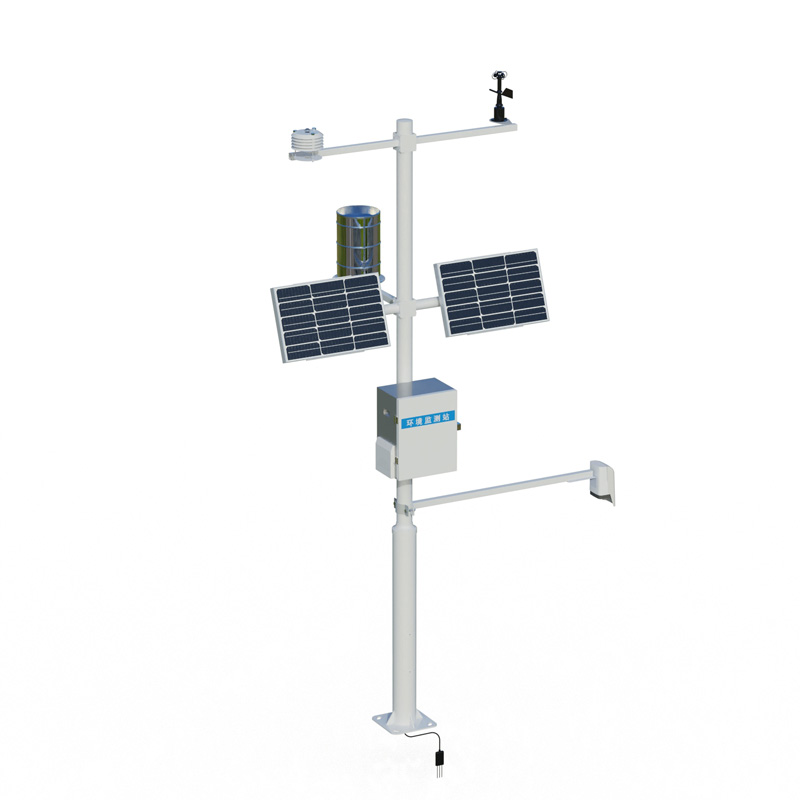
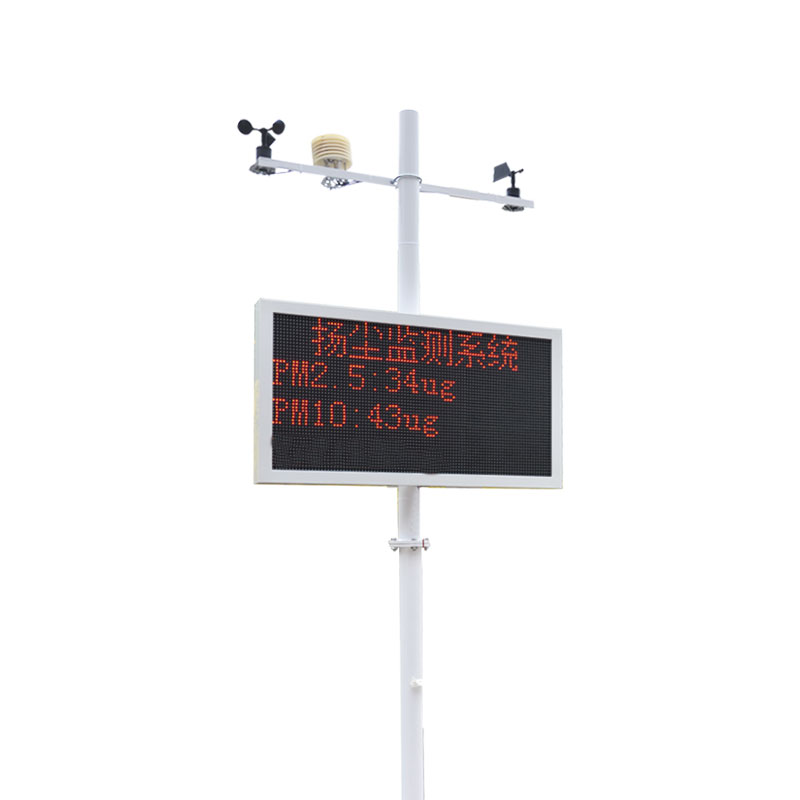
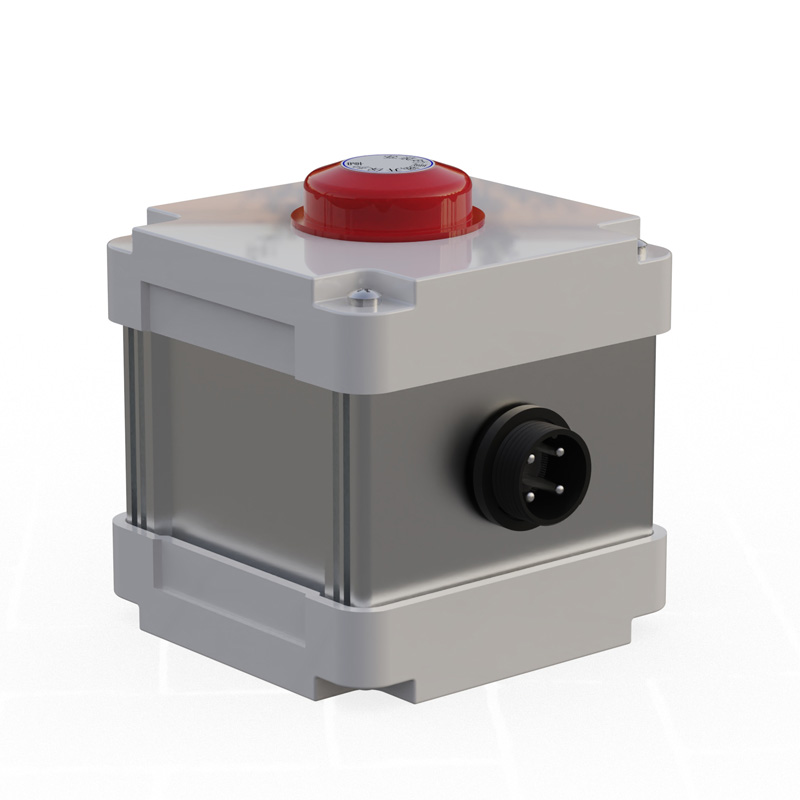
Ship weather station
Ship Weather Station Stay safe on the water with real-time wind, wave and weather forecasts, perfect for sailors, surfers and fishermen.
Main use locations: on ships, drilling platforms, islands, ports
1. Ship weather station product overview
Ship weather station mainly uses comprehensive acquisition control technology, computer software technology, communication technology and other technologies to integrate various meteorological sensors from structure to system composition. It can continuously obtain marine meteorological information, and can perform real-time detection of visibility, ultrasonic wind speed, ultrasonic wind direction, air temperature, air humidity, atmospheric pressure, optical rainfall, light intensity, etc. It can complete the collection of various data through remote transmission and send it to the transportation department in time, providing first-hand information for marine-related departments to provide meteorological support services. On this basis, it can provide timely meteorological information services for marine safety authorities and people's travel.
The meteorological sensors used in the ship weather station include: visibility weather phenomenon detector, wind, humidity, temperature, pressure, rain and light integrated micro-weather station, Beidou high-precision positioning instrument, etc., as well as special comprehensive meteorological data collector, support structure, power supply and communication control box and other units.
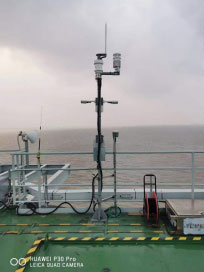
Real photos
2.Ship weather station function
(1) Able to conduct real-time detection of visibility, ultrasonic wind speed, ultrasonic wind direction, air temperature, air humidity, atmospheric pressure, optical rainfall, light intensity, Beidou positioning, etc.
(2) Actively collect data of various meteorological elements, pre-process and process the collected data with algorithms, perform relevant statistics on the collected data to form minute-by-minute values and store them in the memory of the monitoring station;
(3) Automatically upload monitoring data with an upload frequency of 1 minute;
(4) The meteorological monitoring station provides RS232, RS485, RJ45 network port, GPRS wireless and other communication methods;
(5) System power supply mode: 220V AC mains or 12VDC solar power.
3.Ship weather station instrument features
l The monitoring station adopts modular assembly structure design, which is compact and small, and each sensor is small in size, light in weight, and easy to install;
lThe system has low power consumption, less than 10W, and can be powered by either mains electricity or solar energy;
The system has lightning protection measures. Its communication interface and power interface are designed with lightning protection to minimize the damage caused by lightning strikes.
4. Ship weather station main sensors and unit components
a) Visibility weather phenomenon detector
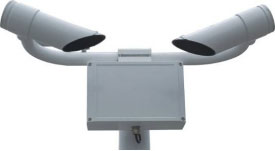
b) Small ultrasonic automatic weather station
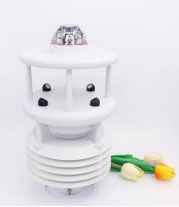
c) Beidou positioning detector
5. Typical technical indicators of Ship weather station
Measuring features | Measuring range | Resolution | Accuracy |
visibility Weather phenomena | 5m~10km | 1m | ≤2km, error ±2% 2km—10km, error ±5% Weather phenomenon measurement types: fog (light fog, mist, dense fog), rain (light rain, moderate rain, heavy rain), snow (light snow, moderate snow, heavy snow), mixed precipitation (rain and snow), etc. |
Temperature | -40~+80℃ | 0.1℃ | ±0.2℃ |
Relative humidity | 0~100% | 0.1% | ±2% |
wind direction | 0~360° | 1° | ±3° |
Wind speed | 0~75m/s | 0.01m/s | ±2% |
Precipitation (mm) | 0-10mm/min | 0.01mm | ±0.4mm (accumulated rainfall <10mm); |
Air pressure | 150 ~1200hPa | 0.1hPa | ±1 hPa |
Light intensity | 0-200000LMUX | 0.1LUX | 0.054LUX |
Comprehensive meteorological data collector | Modbus485 interface: GX-12-4P aviation plug, output power supply voltage 12V Equipment configuration interface: GX-12-4P aviation plug, input voltage 5V. Collector power supply interface: GX-12-3P aviation plug, input voltage 5V, with RS232 output. Collector power supply: DC5V ±0.5V peak current 1A. Working environment temperature: -10~+45℃. Working environment: -20-80℃, humidity ≤100% without condensation. Communication mode: support modbus485, support GPRS communication, support RS232 data output, support Lora wireless communication, data upload interval: 30s-65535s adjustable. Working current: 20mA, sleep current: <50uA. Extended sensor protocol: modbus485, maximum number of extended sensors: 32, Extended sensor voltage: 12V Extended sensor current: ≤2A Built-in sensors: temperature, humidity, atmospheric pressure | ||
Overall power supply mode | 220V AC mains or 12VDC "solar + battery" power supply | ||
Overall power consumption | Each sensor in the system is designed with low power consumption, and the power consumption is less than 10W | ||
Related article
-
Weather monitor Enables Rapid Field Deployment Through High Integration and Low Power Consumption Design
2026-05-28 -
From Standard Compliance to Real-Time Monitoring: Fengtu Online Dust Particle Counter in Workshop Air Management
2025-09-15 -
The FT series of meteorological observation equipment covers various types, including portable, explosion-proof, ultrasonic, and hydrological models
2026-06-18 -
Road Weather Station & Matching Environmental Monitoring Cloud Platform: Monitoring, Early Warning and Traffic Safety Guarantee
2025-08-25 -
The Electrical Power Analyzer's four-channel synchronous measurement capability enhances the efficiency of photovoltaic grid-connected testing
2026-07-17 -
Dust Monitoring Equipment: Real-Time Monitoring Solution for Fugitive Dust Pollution Management
2025-09-11 -
Scenic Weather Station: Empowering Tourism with Meteorological Resources
2024-09-26 -
Intelligent Road Weather Information Systems for Traffic Safety
2025-10-28