

Product
-
Weather station
-
Road Weather Station
-
Photovoltaic Inspection
-
Atmospheric monitoring
-
Operating condition monitoring
Recommended article
- photovoltaic testers 400V/20A Range Meets the On-Site Testing Needs of Photovoltaic Modules
- Application of Low-Power Meteorological observation equipment in Unattended Field Monitoring
- How Portable Solar Cell Testers Rapidly Perform PV String I-V Curve Testing
- The price of meteorological monitoring systems varies from 3,900 to 39,800 yuan depending on the number of monitored elements
- Power Quality Measurement Makes Power Grid Harmonic Detection and Data Logging More Efficient
- High-Precision Meteorological observation equipment Aids Field Environmental Monitoring
Contact us
Shandong Fengtu IOT Technology Co., Ltd
Sales Manager:Ms. Emily Wang
Cel,Whatsapp,Wechat:+86 15898932201
Email:info@fengtutec.com
Add:No. 155 Optoelectronic Industry Accelerator, Gaoxin District, Weifang, Shandong, China
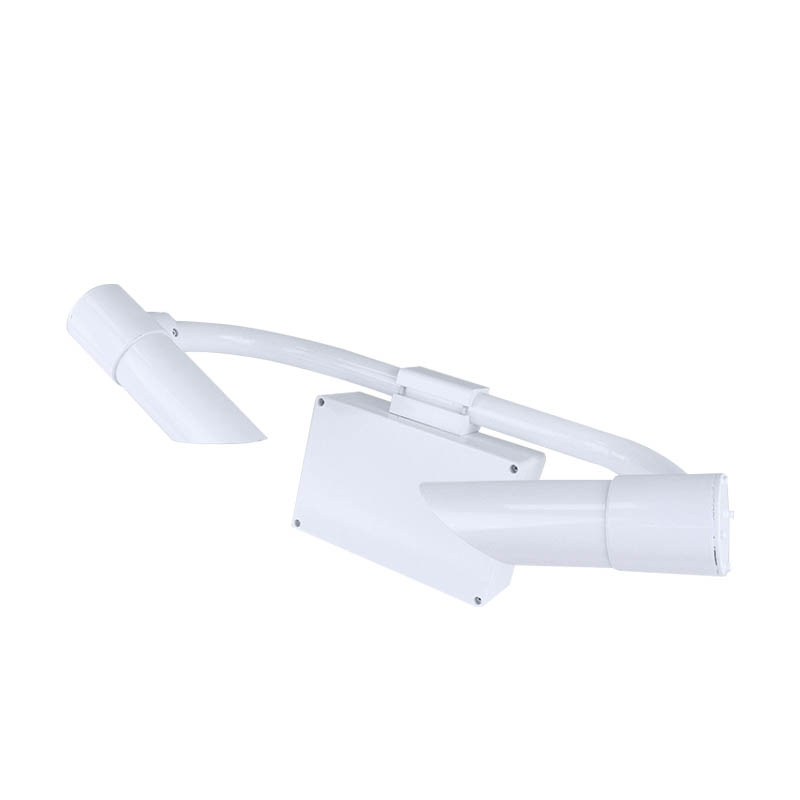
80KM visibility sensor
Model:FT-N80
Brand:fengtu
 Get a Free Quote
Related products
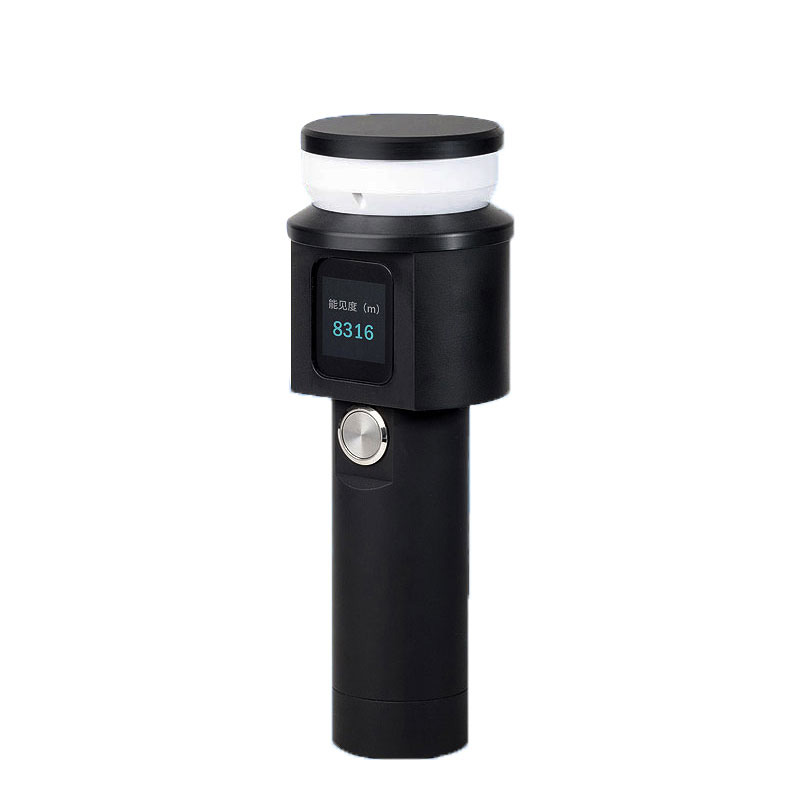
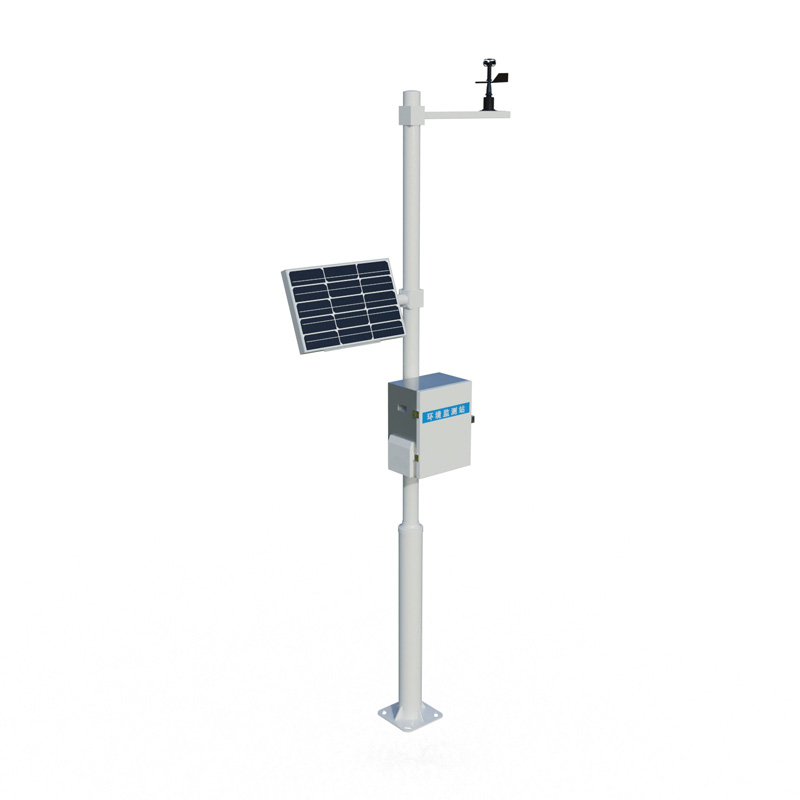
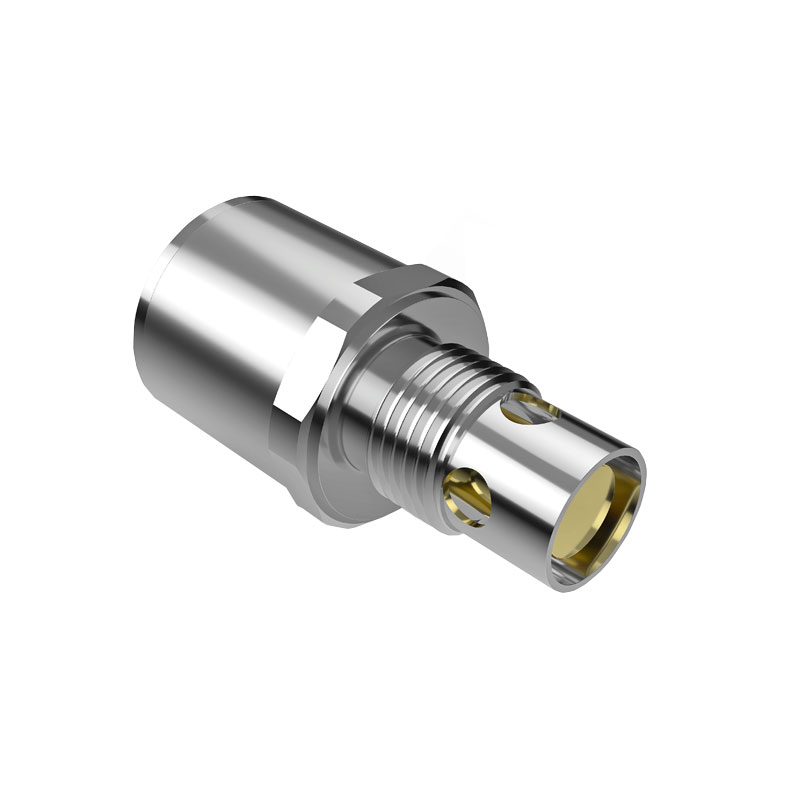
1、80KM visibility sensor Product Introduction
The N80 model 80KM visibility sensor uses the forward scattering method to measure the total extinction coefficient of air, and then calculates the current visibility.It is widely used in road traffic, meteorology and other industries.
2、80KM visibility sensor Technical Features
1.The instrument casing is made of high-quality aluminum, anodized and then painted, providing excellent waterproof, dustproof, and impact-resistant performance.
2.The transmitting and receiving lenses are designed to face downwards, greatly reducing interference from sunlight and other stray light.
3.Weather phenomenon recognition: It can identify fog, rain, snow, mixed precipitation, clear skies, and other weather phenomena with a high recognition rate.
4.Built-in watchdog circuit ensures reliable and stable operation during long-term outdoor use.
5.Both the instrument's communication and power interfaces are equipped with surge protection, minimizing damage from lightning strikes and electrostatic discharge.
6.Wide voltage power supply (12~24V), total power consumption is approximately 1W, with extremely low power consumption, allowing for long-term power supply using solar panels or batteries.
7.Digital interfaces use RS485 or RS232, standard MODBUS protocol, requiring no protocol adaptation.
8.The instrument can output visibility values for 15 seconds, 1 minute, and 10 minutes, which can be read directly without configuration, making it more flexible to use.
3、80KM visibility sensor Implementation Standard
QX/T 536-2020 Test Method for Forward-scattering Visibility Meters
4、80KM visibility sensor Technical indicators
| Main parameters | Parameter range | Resolution | Error |
| Range | 80km | 1m | ≤2km ±2%; 2km~10km ±5%; >10km ±10% |
| Repeatability | ≤4% | ||
| Weather phenomenon | Fog; rain; snow; mixed precipitation; clear | ||
| Weather phenomenon recognition rate | ≥95% | ||
| Working temperature | -40~60℃ | ||
| Working humidity | 0~100%RH | ||
| Work power | 12~24V | ||
| Power consumption | 1W | ||
| Size | 610x230x360mm(length x width x height) | ||
| Weight | ≤10kg | ||
5、80KM visibility sensor Installation Instructions
1.Installation Location
The visibility meter should be installed on an open, flat, unobstructed surface, away from buildings, trees, shrubs, peaks, and other obstructions.This ensures unobstructed observation range and more accurate data.
Avoid unnecessary optical interference.The receiver of the visibility meter should be installed with its back to a strong light source (such as sunlight), and the transmitter and receiver should be oriented north-south.
2.Installation Height
The installation height of the visibility meter should be greater than 1.5m and less than 3m.If the installation height exceeds 3m, calibration should be performed accordingly.
3.Installation Steps
3.1 Before installation, the user should prepare a support column and use the clamps provided with the instrument to install it onto the column.
3.2 Lift the instrument to a suitable position and use the bolts behind the clamps to secure the visibility meter.During installation, ensure that the receiver and transmitter openings face downwards; otherwise, reinstallation is required.
Related article
-
Meteorological observation station Observes Localized Meteorological Data
2026-03-09 -
Scenic anion weather monitoring system core function
2024-08-07 -
Miniature weather station Integrated Meteorological and Air Quality Monitoring System is suitable for field deployment
2026-02-02 -
Functions, Advantages and Applications of Visibility Monitoring Station in Traffic Safety Guarantee
2025-08-21 -
10-Component Dust Monitoring System for Playgrounds: Precision Tracking of PM2.5, PM10, and Meteorological Factors
2025-05-23 -
Agricultural Weather Stations, making farming more modern and smarter
2024-08-16 -
Breaking Through the ‘Last Meter’ with Online Dust Monitoring System
2025-01-10 -
Integrated Forest and Grassland Fire Risk Factor Monitoring Station Architecture
2024-08-02