
Product
-
Weather station
-
Road Weather Station
-
Photovoltaic Inspection
-
Atmospheric monitoring
-
Operating condition monitoring
Recommended article
- photovoltaic testers 400V/20A Range Meets the On-Site Testing Needs of Photovoltaic Modules
- Application of Low-Power Meteorological observation equipment in Unattended Field Monitoring
- How Portable Solar Cell Testers Rapidly Perform PV String I-V Curve Testing
- The price of meteorological monitoring systems varies from 3,900 to 39,800 yuan depending on the number of monitored elements
- Power Quality Measurement Makes Power Grid Harmonic Detection and Data Logging More Efficient
- High-Precision Meteorological observation equipment Aids Field Environmental Monitoring
Contact us
Shandong Fengtu IOT Technology Co., Ltd
Sales Manager:Ms. Emily Wang
Cel,Whatsapp,Wechat:+86 15898932201
Email:info@fengtutec.com
Add:No. 155 Optoelectronic Industry Accelerator, Gaoxin District, Weifang, Shandong, China
Essential Meteorological Parameters: The Foundation of Weather Forecasting and Climate Analysis
Article source:Weather station time:2024-11-04 09:15:20 viewed:441times
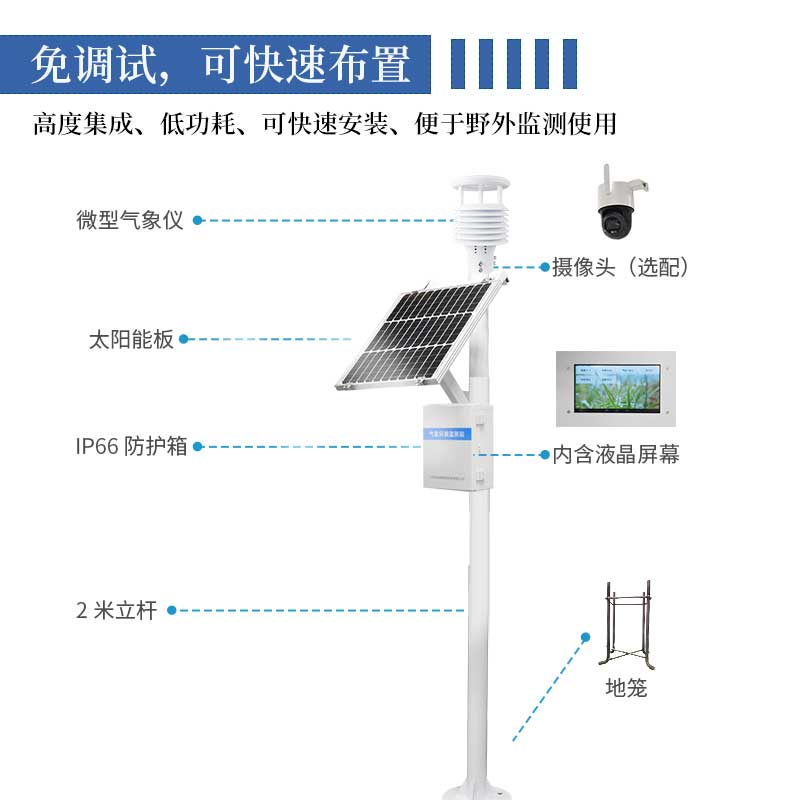
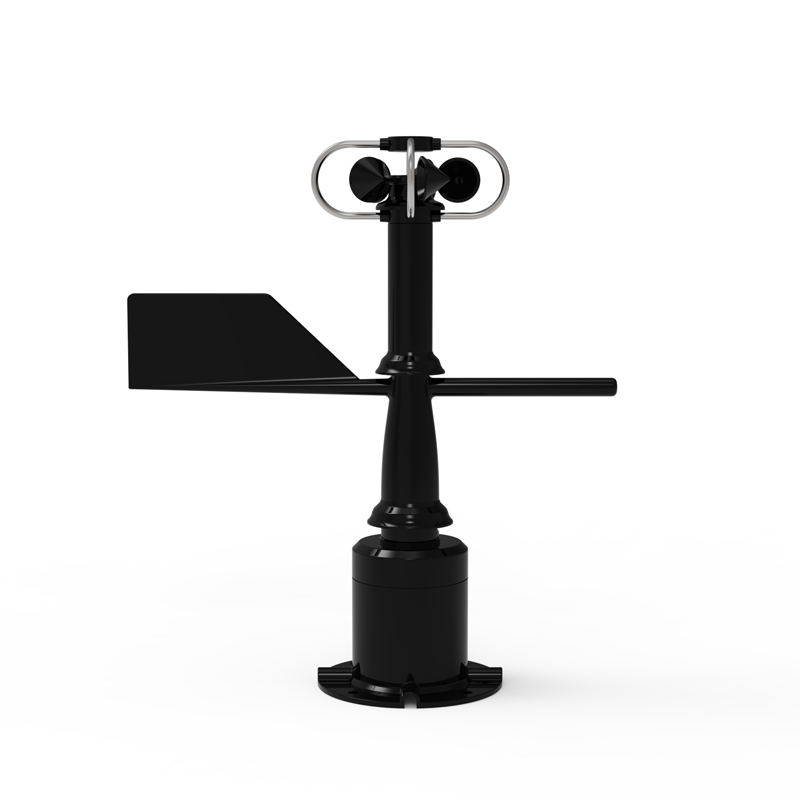
The "five elements" in meteorological data collectors include the most critical basic data in meteorological monitoring, which together form a basic description of weather conditions. These elements include the temperature of the air, which is the degree of cold or heat of the air; the content of water vapor in the air, also known as humidity, which reflects the richness of moisture in the air; wind speed, which is the intensity of the wind, describing the speed of air movement; wind direction, indicating the source direction of the wind; and atmospheric pressure, which measures the pressure of the atmosphere on the ground. These parameters provide core information for weather forecasting, climate analysis, and environmental monitoring, and are the basis for understanding and predicting weather changes.
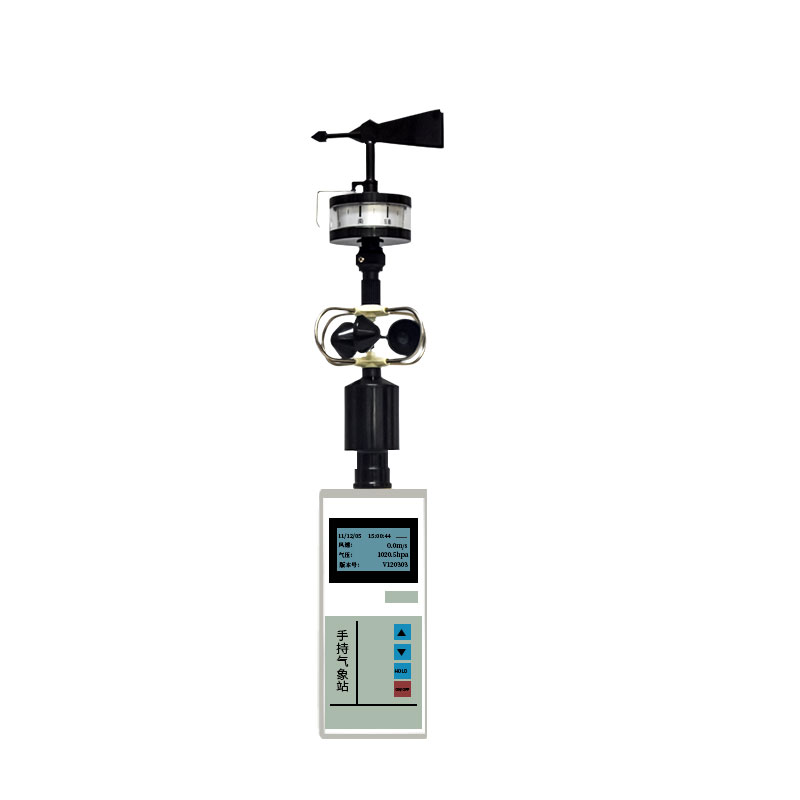
Meteorological data collectors, also known as meteorological monitoring stations or climate monitoring devices, are instruments specifically designed to collect and record various meteorological information. These devices can measure and record key meteorological indicators such as temperature, humidity, wind speed, wind direction, atmospheric pressure, and precipitation. The performance of meteorological data collection equipment, including its measurement accuracy, stability, reliability, and adaptability, directly affects the effectiveness of the entire system.
They are not only used to provide immediate meteorological information to assist in weather forecasting but also to monitor extreme meteorological events and issue early warning information in a timely manner. They are also used to collect data over the long term to analyze global climate change, measure air quality and other environmental parameters to assess environmental quality, provide climate and soil information to agricultural workers to assist in agricultural production decisions, and predict the impact of meteorological conditions on traffic to ensure smooth and safe transportation.
This paper addresses:https://fengtuweather.com/industry/545.html
Related products
Related article
-
Construction Site Dust and Noise: Problems, Solutions and Monitoring
2025-04-10 -
Multiparameter Weather Sensor: A Versatile Tool for Small-Scale Climatic Monitoring
2025-08-11 -
EL Test Power Supply is used for batch EL defect detection and production testing of photovoltaic modules
2025-12-24 -
The Versatile Applications and Features of Car Vehicle Mounted Auto Weather in Meteorology
2025-02-20 -
The Significance and Application of Meteorological Observation Stations in Local Weather Monitoring
2025-05-08 -
Weather Observation Stations in Tea Gardens, Combining Agriculture and Technology
2024-07-23 -
What is the Negative Oxygen Ion Monitoring System?
2024-02-22 -
Automated Weather Station Installation Costs Range from ¥3,900 to ¥9,800
2026-05-06