

Product
-
Weather station
-
Road Weather Station
-
Photovoltaic Inspection
-
Atmospheric monitoring
-
Operating condition monitoring
Recommended article
- The price of Fengtu automatic weather stations is affected by the configuration of monitoring elements
- Odor gas detector Enables 24-Hour Continuous Monitoring of Odor Pollution in Industrial Plants
- Shandong Fengtu, a manufacturer of meteorological observation equipment, supplies high-precision integrated field monitoring equipment
- Odor gas detector utilizes a multi-sensor array to perform on-site monitoring of odor factors according to national standards
- Application Introduction of Weather Monitoring Equipment High-Precision Environmental Monitoring Equipment in the Field
- Police radar gun Achieves Precise Speed Measurement in Multiple Scenarios Based on the Doppler Effect
Contact us
Shandong Fengtu IOT Technology Co., Ltd
Sales Manager:Ms. Emily Wang
Cel,Whatsapp,Wechat:+86 15898932201
Email:info@fengtutec.com
Add:No. 155 Optoelectronic Industry Accelerator, Gaoxin District, Weifang, Shandong, China
Automatic Weather Station Price Difference Analysis
Article source:Weather station time:2026-02-27 10:00:11 viewed:437times
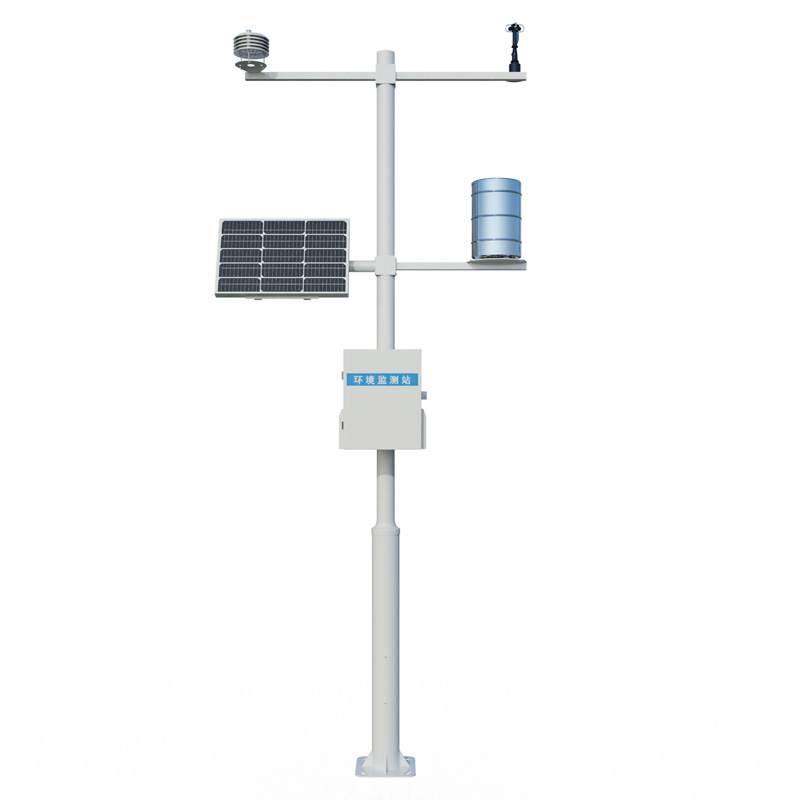
Automatic weather station prices range from 4,000 to 10,800 yuan, with differences in equipment model and configuration directly affecting the price. Low-configuration weather stations cost only a few thousand yuan, while high-standard equipment can cost tens of thousands of yuan or more. Different types of weather stations, such as those for campuses, agriculture, and the Internet of Things, have different prices, requiring selection based on actual needs.
The price range for automatic weather stations is quite wide, mainly influenced by equipment configuration, the number of monitored elements, and the application scenario. According to market data, the reference price for basic weather station models is between 4,000 and 10,800 yuan. For example, a two-element weather station (monitoring wind speed and direction) is priced at approximately 4,000 yuan, while a twelve-element weather station (monitoring up to 12 parameters including temperature, humidity, light intensity, and PM2.5) is priced at approximately 10,800 yuan. It should be noted that these prices usually refer to the reference price for standard configurations; the actual contract amount may fluctuate depending on specific procurement needs.
For users with higher accuracy requirements or those needing to expand the number of monitored elements, the equipment price will increase accordingly. Market analysis shows that standard, practical automatic weather stations capable of monitoring 8-12 elements are priced between 20,000 and 80,000 yuan. These devices typically feature 4G wireless transmission, local storage, and a visualization platform, and are widely used in medium-sized farms and industrial parks. For specialized applications such as scientific research and meteorological observation stations, equipment equipped with high-precision sensors and comprehensive monitoring capabilities generally exceeds 80,000 yuan. The unit price of complete automatic weather station systems in government procurement projects varies from several thousand to tens of thousands of yuan, depending on the configuration.
The core factors influencing the price of automatic weather stations mainly include sensor configuration, hardware functions, and software services. The number and accuracy of sensors are the main cost variables; each additional specific element monitored, such as PM2.5 or evaporation, can increase the price by 10% to 30%. Differences in data transmission methods (such as 4G and 5G modules), power supply systems (solar power requires additional investment), and protection levels (such as IP65 to IP68) also directly affect hardware costs. Furthermore, cloud platform services with customized data analysis capabilities, on-site installation, and regular calibration services typically increase the price by 15% to 25% compared to products that only sell hardware, but effectively ensure the long-term stable operation of the equipment.
Different application scenarios correspond to different types of weather stations, and their prices vary significantly. Small automatic weather stations commonly used in agriculture typically cost between 4,000 and 20,000 yuan and are used to monitor crop growth environments. Weather stations used in schools can range in cost from basic models costing several thousand yuan to comprehensive observation systems costing tens of thousands of yuan, depending on the complexity of the configuration. Weather stations for IoT applications emphasize data access and remote control capabilities, and their price varies depending on the integration of communication modules and data platforms. Therefore, purchasers need to comprehensively consider their monitoring needs, budget, and future maintenance capabilities to comprehensively evaluate equipment configuration and choose the most cost-effective solution.
This paper addresses:https://fengtuweather.com/industry/884.html
Related products
Related article
-
Dust Detector Systems: Comprehensive Environmental Monitoring for Effective Pollution Control
2025-09-25 -
Mechanical Weather Stations & Ultrasonic Weather Stations
2024-02-01 -
How Photovoltaic Solar Environmental Monitoring System Empowers Fishery-Photovoltaic Complementation
2024-12-16 -
Taming Dust Pollution with the Dust Monitoring System
2025-01-24 -
Dust Detector: Real-Time Data Transmission and 6 Core Functions for On-Site Environmental Control
2025-08-22 -
Multifunctional weather station Enables Real-Time Online Monitoring of Oil Conditions
2026-05-19 -
Forest Weather Station: Scientific Early Warning for Forest Fire Prevention
2025-06-19 -
Voltage Quality Challenges and Solutions with Power Quality Analyzers (FT - DN2)
2025-03-13