

Product
-
Weather station
-
Road Weather Station
-
Photovoltaic Inspection
-
Atmospheric monitoring
-
Operating condition monitoring
Recommended article
- Application Introduction of Weather Monitoring Equipment High-Precision Environmental Monitoring Equipment in the Field
- Police radar gun Achieves Precise Speed Measurement in Multiple Scenarios Based on the Doppler Effect
- The forest meteorological fire risk monitoring station collects real-time meteorological data related to forest fire risk
- Radar speed gun utilizes the Doppler effect to achieve multi-scenario speed measurement
- Ultrasonic Snow Depth Detector Automated Snow Depth Measurement Using Ultrasonic Technology
- Speed enforcement system Achieves Precise Speed Measurement and Evidence Collection Based on the Doppler Principle
Contact us
Shandong Fengtu IOT Technology Co., Ltd
Sales Manager:Ms. Emily Wang
Cel,Whatsapp,Wechat:+86 15898932201
Email:info@fengtutec.com
Add:No. 155 Optoelectronic Industry Accelerator, Gaoxin District, Weifang, Shandong, China
Forest Fire Detection Improves Forest Fire Early Warning and Suppression Efficiency by Relying on Meteorological Factor Data
Article source:Weather station time:2026-05-26 09:54:34 viewed:214times
Forest Fire Detection provides data support for forest fire prevention and suppression by collecting real-time meteorological factors such as wind speed and direction, air temperature, relative humidity, and solar radiation in forest areas. The system can automatically monitor changes in fire risk levels around the clock, helping commanders assess the fire's spread trend and guide rapid and effective firefighting to minimize property damage.
The core function of Forest Fire Detection is the continuous monitoring of meteorological factors in forest areas. Wind speed and direction determine the speed and main direction of fire spread; air temperature and relative humidity directly affect the dryness of combustible materials such as fallen leaves and branches under the forest canopy; and solar radiation is closely related to surface evaporation and vegetation moisture content. When these meteorological factors reach certain danger thresholds, the forest fire risk level increases significantly. The system automatically calculates the current fire risk level by collecting real-time data on wind speed, direction, temperature, humidity, and solar radiation, combined with a built-in fire risk model, and issues early warnings to management departments. Forestry personnel can use this information to strengthen patrols and restrict fire sources from entering the mountains, thereby reducing the probability of forest fires at their source.
In the event of a forest fire, the real-time meteorological data provided by Forest Fire Detection becomes a crucial basis for firefighting command. Wind speed and direction data help commanders determine the dominant direction of fire spread, allowing for the early evacuation of residents downwind and the relocation of important facilities. Air temperature and relative humidity data are used to assess the intensity of the fire and the difficulty of firefighting; fires are more intense under high temperature and low humidity conditions, requiring the deployment of more firefighting forces. Solar radiation data reflects the surface heating, helping to determine which areas are more likely to form new fire spots. Based on the real-time changes of these meteorological factors, the command center can rationally deploy fire brigades and firefighting equipment, select the best time and location for firefighting operations, and avoid wasting resources and causing casualties due to blind actions.
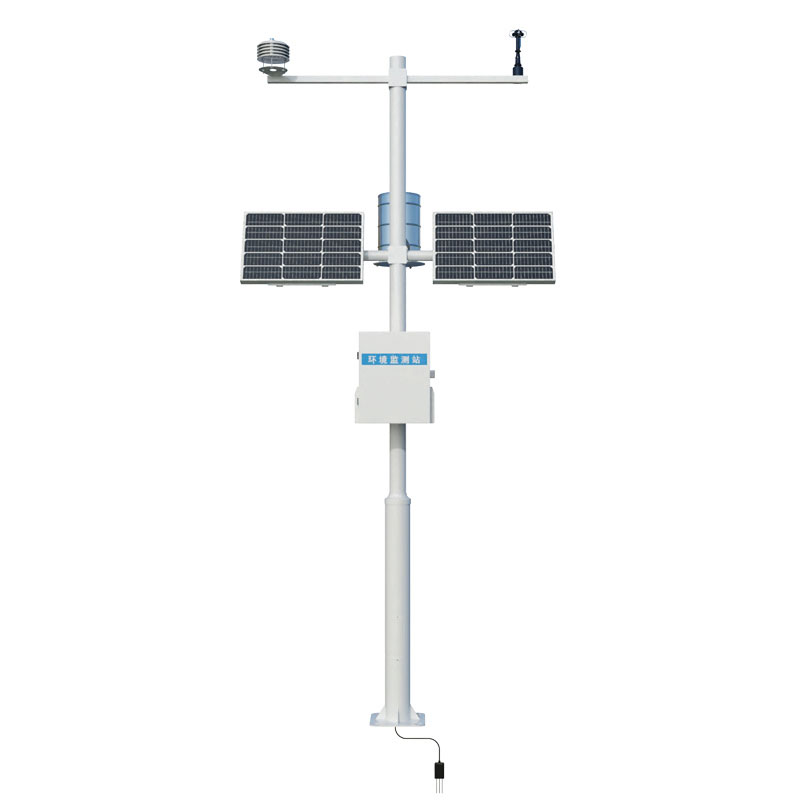
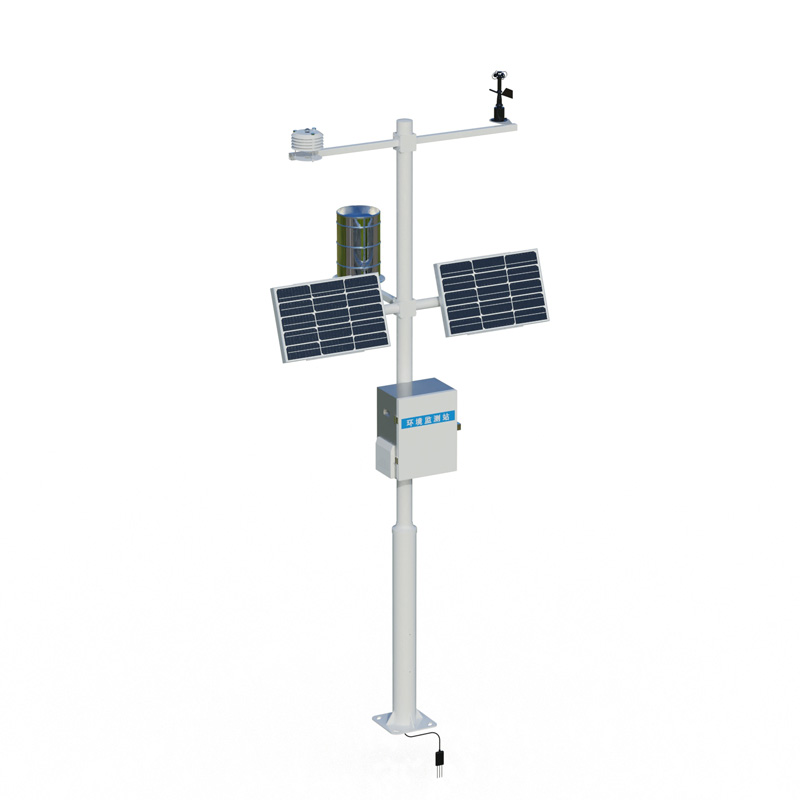
Forest Fire Detection typically consists of four parts: front-end meteorological sensors, data acquisition units, power supply units, and remote transmission modules. The meteorological sensors include anemometers, temperature and humidity sensors, and solar radiation meters, installed in open locations within the forest area. The data acquisition unit automatically records sensor values at set time intervals and transmits the data to the central platform via a wireless network. The system employs a low-power design and, in conjunction with solar panels, can operate stably for extended periods in remote forest areas without grid coverage. All meteorological data is stored in a database, supporting historical queries and trend analysis. Users can remotely view the real-time fire risk status of each monitoring point via computer or mobile phone, eliminating the need for frequent personnel patrols in the forest area, thus reducing labor costs and safety risks. With its all-weather automatic data acquisition and rapid response capabilities, Forest Fire Detection has become an indispensable technical means in modern forestry fire prevention systems.
This paper addresses:https://fengtuweather.com/technical/948.html
Related products
Related article
-
IV Curve Testers: Measuring the Current-Voltage Characteristics of PV Modules
2026-05-07 -
What is the best Farmland Weather Station manufacturer?
2024-08-28 -
Mechanical weather station fills the "blind spots" in meteorological monitoring!
2024-09-23 -
Lightning Protection in Coal Mines and Lightning Warning System
2025-06-17 -
Substation micrometeorological environment monitoring
2024-06-18 -
FT - FZ5 Negative Oxygen Ion Monitoring System: Your Reliable Air Guardian
2024-10-29 -
Application of Low-Power Meteorological observation equipment in Unattended Field Monitoring
2026-07-29 -
Why install a snow depth monitoring station?
2024-01-25