

Product
-
Weather station
-
Road Weather Station
-
Photovoltaic Inspection
-
Atmospheric monitoring
-
Operating condition monitoring
Recommended article
- photovoltaic testers 400V/20A Range Meets the On-Site Testing Needs of Photovoltaic Modules
- Application of Low-Power Meteorological observation equipment in Unattended Field Monitoring
- How Portable Solar Cell Testers Rapidly Perform PV String I-V Curve Testing
- The price of meteorological monitoring systems varies from 3,900 to 39,800 yuan depending on the number of monitored elements
- Power Quality Measurement Makes Power Grid Harmonic Detection and Data Logging More Efficient
- High-Precision Meteorological observation equipment Aids Field Environmental Monitoring
Contact us
Shandong Fengtu IOT Technology Co., Ltd
Sales Manager:Ms. Emily Wang
Cel,Whatsapp,Wechat:+86 15898932201
Email:info@fengtutec.com
Add:No. 155 Optoelectronic Industry Accelerator, Gaoxin District, Weifang, Shandong, China
Road Weather Station on Patrol Vehicles: Dynamic Monitoring for Road Traffic Safety
Article source:Weather station time:2025-07-30 09:24:18 viewed:515times
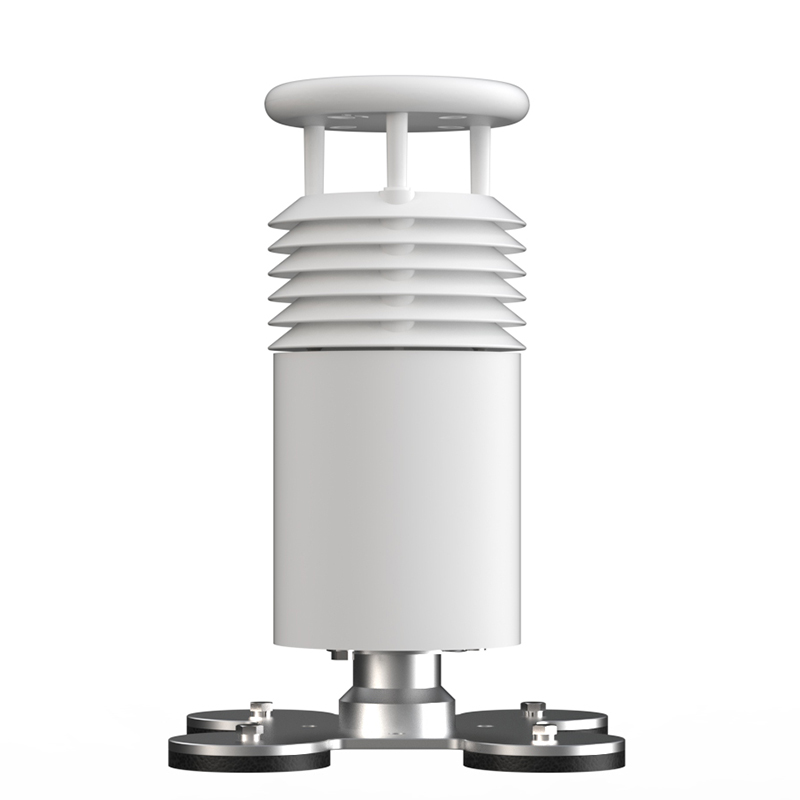
The Road Weather Station installed on patrol vehicles is an intelligent meteorological monitoring system built on mobile carriers. It is equipped with multi-element meteorological sensors (for temperature, humidity, wind speed, wind direction, visibility, etc.) at the top and key positions of the patrol vehicles, enabling real-time capture of micro-meteorological data around the route during vehicle movement, thus forming a dynamic meteorological monitoring network.
Compared with traditional fixed weather stations, which can only cover specific areas, the patrol vehicle-mounted Road Weather Station has significant advantages. Fixed weather stations are limited by their locations and cannot fully reflect the meteorological differences in complex road conditions. In contrast, patrol vehicles can flexibly travel through key road sections prone to meteorological disasters, such as mountain bends, cross-river bridges, and tunnel entrances/exits. They accurately monitor the local microclimate characteristics of different road sections, filling the gap in meteorological monitoring of remote road sections and making meteorological data collection more extensive and targeted.
These real-time updated meteorological data are of great significance to traffic management. When the system detects severe weather conditions such as road waterlogging caused by heavy rain, sudden drop in visibility due to heavy fog, or strong winds threatening vehicle stability, traffic management departments can quickly initiate emergency responses based on the data. Measures such as temporary traffic control, road section restrictions, and police vehicle guidance are adopted to divert traffic. At the same time, professionally processed meteorological information is promptly pushed through channels such as traffic radio and expressway electronic displays, allowing drivers to know in advance the weather changes and road condition risks in the ahead sections. This not only helps drivers reasonably plan their driving routes and adjust their driving speed but also enhances their safety awareness, reducing the risk of traffic accidents caused by severe weather from the source and providing double protection for road traffic safety.
This paper addresses:https://fengtuweather.com/industry/757.html
Related products
Related article
-
Portable IV Curve Tester is used for on-site performance testing of photovoltaic modules
2025-12-12 -
Fengtu Small Automatic Weather Station: Integrated Monitoring for Timely Meteorological Insights
2025-07-10 -
Negative oxygen ion monitoring system to protect the scenic environment
2024-03-22 -
Compact weather station with a variety of functions
2024-07-11 -
Which IoT devices are suitable for weather stations?
2024-03-13 -
Explore Fengtu's Weather Instruments: From Automatic Stations to Handheld Meters
2025-02-06 -
Odor Monitoring System is widely used in various odor pollution sources
2026-03-02 -
Meteorological station Solar-Powered and Modularly Designed for Long-Term Field Monitoring
2026-04-21