

Product
-
Weather station
-
Road Weather Station
-
Photovoltaic Inspection
-
Atmospheric monitoring
-
Operating condition monitoring
Recommended article
- photovoltaic testers 400V/20A Range Meets the On-Site Testing Needs of Photovoltaic Modules
- Application of Low-Power Meteorological observation equipment in Unattended Field Monitoring
- How Portable Solar Cell Testers Rapidly Perform PV String I-V Curve Testing
- The price of meteorological monitoring systems varies from 3,900 to 39,800 yuan depending on the number of monitored elements
- Power Quality Measurement Makes Power Grid Harmonic Detection and Data Logging More Efficient
- High-Precision Meteorological observation equipment Aids Field Environmental Monitoring
Contact us
Shandong Fengtu IOT Technology Co., Ltd
Sales Manager:Ms. Emily Wang
Cel,Whatsapp,Wechat:+86 15898932201
Email:info@fengtutec.com
Add:No. 155 Optoelectronic Industry Accelerator, Gaoxin District, Weifang, Shandong, China
How much does a small weather station cost?
Article source:Weather station time:2026-02-04 10:10:00 viewed:525times
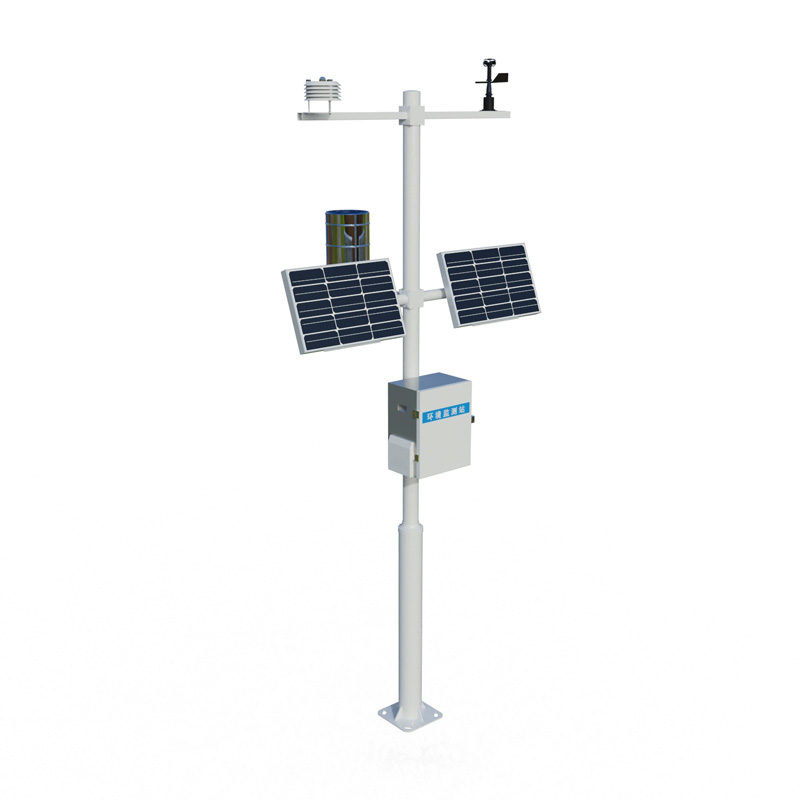
The price of a small weather station typically ranges from 4,000 to 10,800 RMB. The specific cost mainly depends on the type of meteorological elements to be monitored and the sensor configuration. Common monitoring items include air temperature and humidity, wind speed and direction, atmospheric pressure, rainfall, light intensity, soil parameters, and particulate matter concentration.
The price difference in small weather stations primarily stems from variations in the types of monitoring elements, sensor accuracy, equipment materials, and data transmission methods.
In terms of core monitoring functions, a basic small weather station usually includes six basic meteorological elements: air temperature, air humidity, wind speed, wind direction, atmospheric pressure, and precipitation. This configuration meets conventional environmental monitoring needs, and its price range is generally between 4,000 and 6,000 RMB. Adding ecological and agricultural meteorological parameters such as light intensity, ultraviolet intensity, or evaporation will increase the equipment cost accordingly.
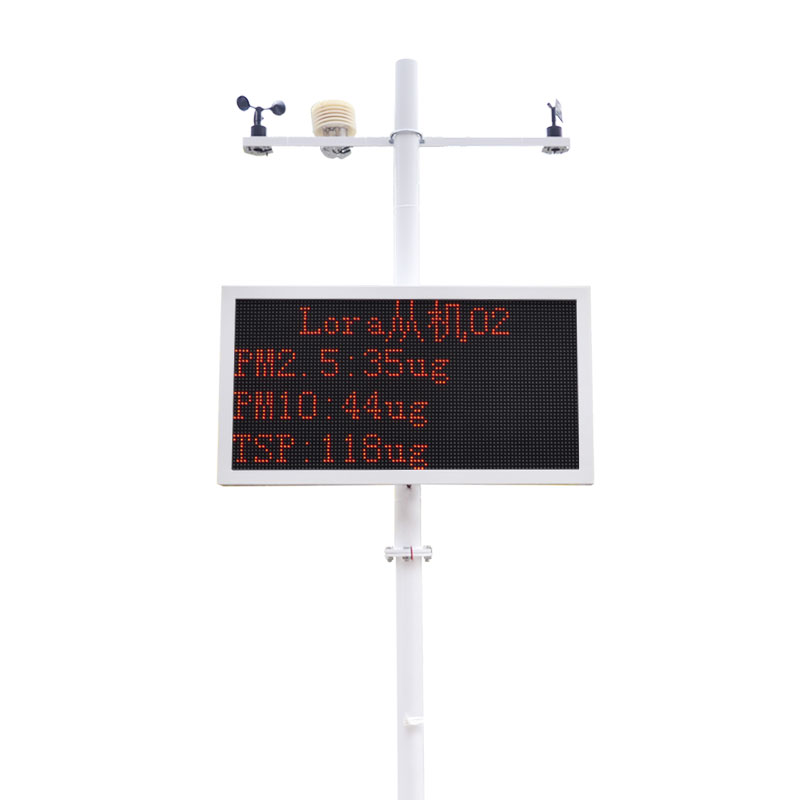
For agricultural or research users who need to monitor soil moisture, additional sensors for soil temperature, soil moisture, and conductivity are required. Monitoring each soil depth layer means adding a set of sensors, which significantly impacts the final price. Similarly, integrating an air quality monitoring module, such as a laser dust sensor for measuring PM2.5 and PM10, will push the equipment to the higher end of the price range.
The technical level of the sensors is a key factor in determining the price. For example, wind speed and direction sensors can be divided into mechanical (anemometer and wind vane) and ultrasonic types. Ultrasonic sensors have no moving parts, high accuracy, and a long lifespan, but their price is much higher than mechanical sensors. There are also cost differences between optical and tipping bucket rain gauges. High-precision, high-stability sensors mean higher procurement costs.
The structure and materials of the equipment also affect the price. Designs using all-stainless steel brackets and corrosion-resistant bodies offer greater durability and environmental adaptability, but cost more than those made of ordinary carbon steel or aluminum alloy. Whether the system includes a solar power system, intelligent control box, and remote data transmission module (such as 4G/5G wireless transmission) are also important factors contributing to price differences.
In summary, a basic entry-level small weather station that only monitors the six basic meteorological elements can be budgeted at 4,000-5,000 RMB. A multi-functional, highly reliable monitoring station that integrates atmospheric environment, soil parameters, and particulate matter monitoring typically costs between 8,000 and 10,800 yuan or even more. When making a selection, users should first clearly define their core monitoring objectives and weigh the configuration against the budget based on the actual application scenario and long-term maintenance costs, thus choosing the most cost-effective equipment.
This paper addresses:https://fengtuweather.com/technical/874.html
Related products
Related article
-
How to select sensors for four-element automatic weather stations?
2024-07-08 -
Are field microclimate observatories useful?
2024-04-15 -
Road Weather Station & Matching Environmental Monitoring Cloud Platform: Monitoring, Early Warning and Traffic Safety Guarantee
2025-08-25 -
Introduction to the Integrated Forest Climate Fire Risk Factor Monitoring Station
2024-04-26 -
Negative Oxygen Ion Monitoring System: Nature's Gift in the Park
2024-10-08 -
Portable Weather Station "Highlights"
2024-01-31 -
Road Weather Station: Real-Time Monitoring and Early Warning for Safe Traffic Operations
2025-06-05 -
Enhancing Visitor Experience and Safety: The Role of Park Weather Stations in Geological Parks
2024-09-11