

Product
-
Weather station
-
Road Weather Station
-
Photovoltaic Inspection
-
Atmospheric monitoring
-
Operating condition monitoring
Recommended article
- photovoltaic testers 400V/20A Range Meets the On-Site Testing Needs of Photovoltaic Modules
- Application of Low-Power Meteorological observation equipment in Unattended Field Monitoring
- How Portable Solar Cell Testers Rapidly Perform PV String I-V Curve Testing
- The price of meteorological monitoring systems varies from 3,900 to 39,800 yuan depending on the number of monitored elements
- Power Quality Measurement Makes Power Grid Harmonic Detection and Data Logging More Efficient
- High-Precision Meteorological observation equipment Aids Field Environmental Monitoring
Contact us
Shandong Fengtu IOT Technology Co., Ltd
Sales Manager:Ms. Emily Wang
Cel,Whatsapp,Wechat:+86 15898932201
Email:info@fengtutec.com
Add:No. 155 Optoelectronic Industry Accelerator, Gaoxin District, Weifang, Shandong, China
How Miniature Sensors Aid in Accurate Fertilization for Tea Gardens
Article source:Weather station time:2024-10-18 08:48:59 viewed:466times
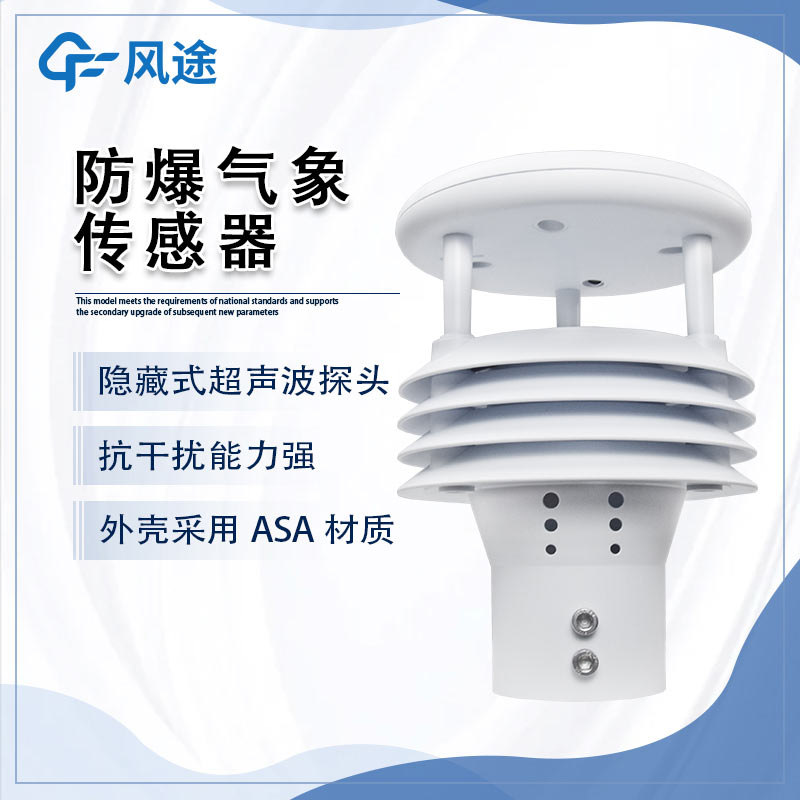
Miniature sensors can play an important role in precise fertilization in tea gardens.
On one hand, temperature sensors and humidity sensors can provide key information about the tea garden environment. Under different temperature and humidity conditions, the decomposition rate of fertilizers in the soil and the tea tree's ability to absorb nutrients will vary. For example, when the temperature is relatively high and the humidity is appropriate, the microbial activity in the soil is more active, and the decomposition rate of fertilizers may accelerate. The time and amount of fertilization can be adjusted according to the temperature and humidity data to avoid excessive decomposition of fertilizers leading to rapid nutrient loss or burning of seedlings due to excessive fertilization. If the temperature is low and the humidity is high, the decomposition of fertilizers is relatively slow, and the tea tree's absorption of nutrients may also be affected to a certain extent. In this case, the amount of fertilization can be appropriately reduced or a fertilizer type that is more easily absorbed by the tea tree can be selected.
On the other hand, the rainfall sensor is also crucial for precise fertilization. Rainfall will affect the distribution and loss of fertilizers in the soil. If there is heavy rainfall shortly after fertilization, it may lead to the washing away of fertilizers and reduce the fertilization effect. By knowing the rainfall trend in advance through the rainfall sensor, the fertilization plan can be reasonably adjusted before rainfall to avoid fertilization when rain is about to come. At the same time, according to the amount of rainfall, it can be judged whether supplementary fertilization is needed after rain to ensure that the tea trees obtain sufficient nutrients.
Light affects the photosynthesis and growth rate of tea trees, and thus affects the demand for nutrients. In the case of sufficient light, tea trees grow vigorously and may require relatively more fertilizers to support growth. According to the data of the light sensor, combined with the growth stage of the tea tree and nutrient demand, the fertilization plan can be precisely adjusted to achieve precise fertilization, improve the utilization efficiency of fertilizers, reduce waste and pollution to the environment, and at the same time provide strong support for the high-quality and high-yield of the tea garden.
This paper addresses:https://fengtuweather.com/industry/533.html
Related products
Related article
-
Application of Low-Power Meteorological observation equipment in Unattended Field Monitoring
2026-07-29 -
Ground Penetrating Radar for Detecting Roadway Surrounding Rock Loose Zone
2025-07-29 -
Explore Fengtu's Weather Instruments: From Automatic Stations to Handheld Meters
2025-02-06 -
PV Module IV Curve Tester Measures 400V Module Open-Circuit Voltage and Short-Circuit Current
2026-04-24 -
Sensor Array Technology and Application Scenarios of Odor gas detector
2026-06-29 -
Meteorological observation station Enables High-Precision Automatic Acquisition of Meteorological Elements Across Multiple Scenarios
2026-06-25 -
How Portable Solar Cell Testers Rapidly Perform PV String I-V Curve Testing
2026-07-27 -
Odor Monitoring Equipment Covers Nine Odor Pollutant Indicators
2026-05-11