

Product
-
Weather station
-
Road Weather Station
-
Photovoltaic Inspection
-
Atmospheric monitoring
-
Operating condition monitoring
Recommended article
- Ultrasonic Snow Depth Detector Automated Snow Depth Measurement Using Ultrasonic Technology
- Speed enforcement system Achieves Precise Speed Measurement and Evidence Collection Based on the Doppler Principle
- Miniature Weather Stations Enable Precise Multi-Parameter Integrated Environmental Meteorological Monitoring
- What Testing Instruments are Required for Photovoltaic Power Generation Acceptance?
- Road meteorological monitoring systems collect road condition and meteorological data to ensure road safety
- The PV module IV tester performs volt-ampere characteristic testing on outdoor PV modules
Contact us
Shandong Fengtu IOT Technology Co., Ltd
Sales Manager:Ms. Emily Wang
Cel,Whatsapp,Wechat:+86 15898932201
Email:info@fengtutec.com
Add:No. 155 Optoelectronic Industry Accelerator, Gaoxin District, Weifang, Shandong, China
Small-scale six-element automatic weather station enables continuous all-weather monitoring of outdoor meteorological parameters
Article source:Weather station time:2026-07-03 10:16:24 viewed:37times
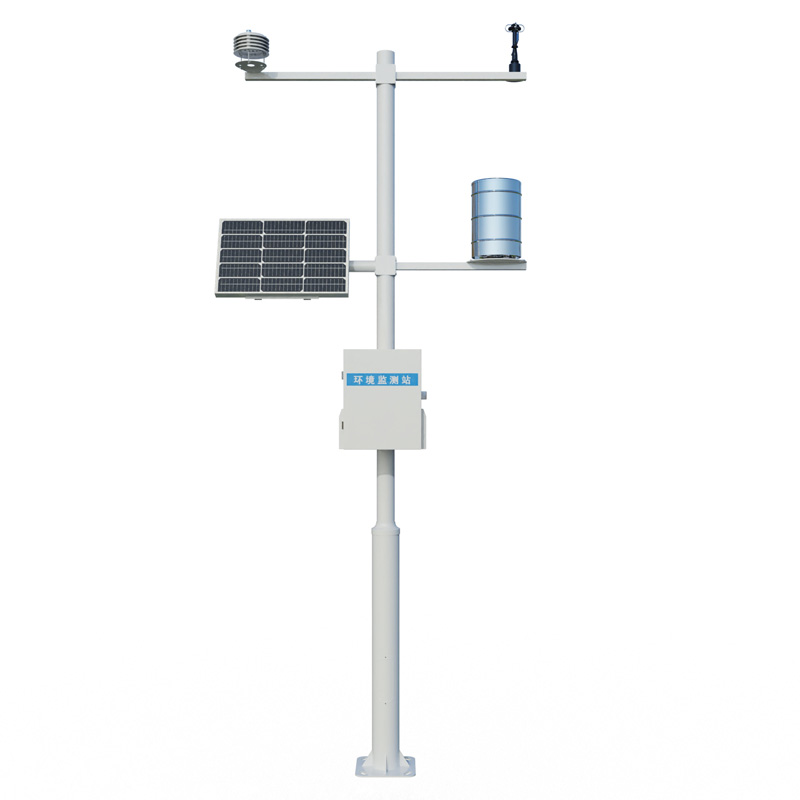
The small-scale six-element automatic weather station is a highly integrated, low-power, and quickly installable portable meteorological observation device. It consists of five parts: sensors, a data logger, a solar power system, a pole support, and a cloud platform. It can continuously monitor wind speed, wind direction, temperature, humidity, air pressure, and rainfall around the clock.
Small-scale six-element automatic weather stations are currently one of the most widely used types of equipment in the field of meteorological monitoring. These weather stations are characterized by high integration, low power consumption, and rapid installation. They are specifically designed for field monitoring scenarios and can operate stably for extended periods without human intervention.
From a structural perspective, the small-scale six-element automatic weather station consists of five parts: meteorological sensors, a data logger, a solar power system, a pole support, and a cloud platform. The meteorological sensors collect raw meteorological data; the data logger processes and stores the data; the solar power system provides continuous power; the pole support supports the entire structure; and the cloud platform enables remote viewing and management of the data. These five parts work together to form a complete automatic meteorological observation system.
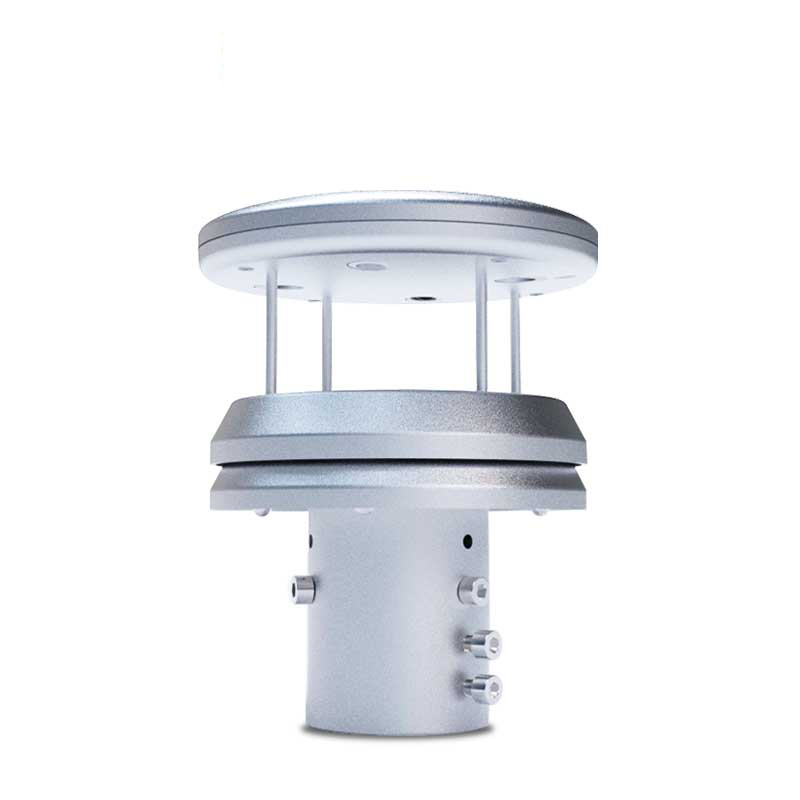
In terms of monitoring elements, the small six-element automatic weather station mainly covers six conventional meteorological indicators: wind speed, wind direction, air temperature, air humidity, atmospheric pressure, and optical rainfall. Unlike traditional distributed sensors, the small six-element automatic weather station adopts an integrated sensor design, integrating the acquisition of all six parameters into a single probe, greatly simplifying the structure. The device outputs all six parameters to the user at once via a digital communication interface, reducing the complexity of data transmission.
The technical specifications of the small six-element automatic weather station meet the needs of professional meteorological observation. Wind speed measurement uses ultrasonic principles, with a measurement range of 0 to 60 meters per second; wind direction measurement range is 0 to 360 degrees Celsius; air temperature measurement range is -40 to 80 degrees Celsius, with an accuracy of ±0.3 degrees Celsius; humidity measurement range is 0 to 100% relative humidity; atmospheric pressure measurement range is 300 to 1100 hPa; and optical rainfall measurement range is 0 to 4 millimeters per minute. The equipment casing is made of imported ASA or ABS material, possessing salt spray resistance and a protection rating of IP65 or higher, making it suitable for humid environments such as marine areas and ports.
Small-scale six-element automatic weather stations have a wide range of applications, covering weather forecasting, agricultural production, forestry monitoring, environmental protection, marine observation, airport meteorological support, port operation safety, scientific research, and campus teaching. Their ability to be deployed quickly and without debugging makes them highly practical for emergency weather monitoring and temporary observation tasks. With the continuous growth in demand for refined meteorological data across various industries, these devices are gaining increasingly widespread application.
This paper addresses:https://fengtuweather.com/technical/966.html
Related products
Related article
-
Fengtu's Air Quality Monitoring Station for Comprehensive Environmental Surveillance
2024-09-10 -
Industrial-Grade Dust Detector System for Real-Time Construction Site Dust Monitoring and Intelligent Control
2025-05-29 -
Road Weather Station monitors weather changes to support smart transportation
2025-11-18 -
How much does a small weather station cost?
2026-02-04 -
Fengtu Technology's Visibility Detection Systems: Enhancing Traffic Safety on Highways
2025-10-20 -
Choosing the Right Dust Detector: A Guide for Different Scenarios
2025-03-27 -
The Significance and Application of Meteorological Observation Stations in Local Weather Monitoring
2025-05-08 -
Breaking Through the ‘Last Meter’ with Online Dust Monitoring System
2025-01-10